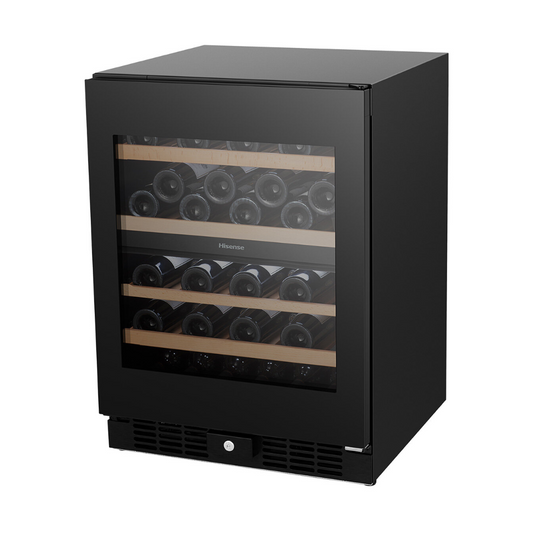
Wine Fridges for Australian Homes
A wine fridge stores wine at the correct temperature and humidity for long-term quality preservation, something a standard kitchen fridge cannot do. If you collect wine seriously or simply want to keep a selection ready to serve at the right temperature, a wine fridge is the right tool. Browse our range at Everyday Home Living with fast delivery across Australia.
Why Standard Fridges Are Not Suitable for Wine Storage
A standard kitchen fridge operates at 3 to 4 degrees Celsius, which is too cold for long-term wine storage and causes the wine to lose aroma and flavour complexity over time. The vibration from the compressor and the very low humidity inside a standard fridge can also damage wine corks and accelerate oxidation. A wine fridge maintains 12 to 14 degrees Celsius (the ideal range for both red and white wine), low vibration, and controlled humidity, preserving the wine's character over months and years.
Single Zone vs Dual Zone Wine Fridges
Single Zone Wine Fridges
Single zone wine fridges maintain one consistent temperature throughout the cabinet. They are ideal for storing a single style of wine at its optimal serving or cellaring temperature. For households that primarily store red wine, set to around 14 to 16 degrees Celsius. For white wine storage, 8 to 12 degrees Celsius is the appropriate range.
Dual Zone Wine Fridges
Dual zone wine fridges have two independently controlled temperature zones, typically an upper zone and a lower zone. This allows you to store red and white wines simultaneously at their respective optimal temperatures in one cabinet. Dual zone models are the better choice for households with a mixed wine collection.
Key Features to Look For
Capacity
Wine fridge capacity is measured in number of standard 750ml bottles. For occasional home entertaining, a 12 to 24 bottle model is practical and compact. For households building a more serious collection, 48 to 100 bottles gives you adequate storage for variety. Larger freestanding models of 100 to 200 bottles suit committed collectors.
UV-Protective Glass Door
Ultraviolet light degrades wine and can accelerate ageing even through standard glass. Look for wine fridges with UV-protective glass doors that filter out harmful light while still allowing you to see your collection. In Australian homes with high natural light, this is worth prioritising.
Vibration Reduction
Vibration disturbs the sediment in wine and can disrupt the slow, natural ageing process. Wine fridges use low-vibration compressors or thermoelectric cooling systems to minimise this. Thermoelectric models are the quietest and lowest-vibration option but are less energy-efficient and less effective at maintaining temperature in high ambient conditions.
Freestanding vs Undercounter
Freestanding wine fridges require clearance on the sides and rear for ventilation and cannot be installed in an enclosed space. Undercounter (built-in) wine fridges vent from the front and can be installed under a bench or in cabinetry. Confirm the ventilation type before purchasing if you are planning a built-in installation.
Related Collections
Browse our full fridges range and bar fridges.
Frequently Asked Questions
What temperature should a wine fridge be set to?
For long-term wine cellaring, 12 to 14 degrees Celsius is the ideal range for both red and white wines. For serving, red wines are best at 16 to 18 degrees Celsius and white wines at 8 to 12 degrees Celsius. If you have a dual zone wine fridge, set the upper zone to a higher serving temperature for reds and the lower zone to a cooler temperature for whites. If you use a single zone fridge for mixed storage, 12 to 13 degrees is a practical compromise.
Can I store wine in a regular fridge?
For short periods of a few days before serving, yes. For longer storage of more than a week or two, a standard kitchen fridge is not ideal. It is too cold, too dry, and typically has too much vibration for quality long-term wine storage. White wines and sparkling wines tolerate short-term standard fridge storage better than reds. For any wine you intend to age or keep for more than a couple of weeks, a dedicated wine fridge is the right solution.