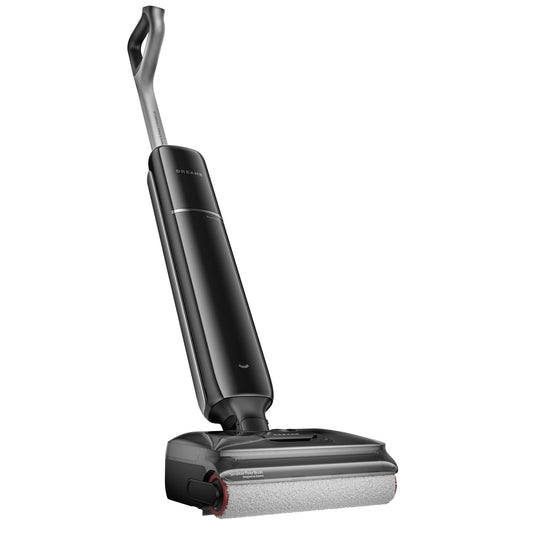
Wet and Dry Vacuum Cleaners for Australian Homes
Wet and dry vacuum cleaners are built to handle what a standard vacuum cannot: liquid spills, wet debris, mud, and damp messes alongside everyday dry dust and dirt. Whether you need a practical solution for the garage, workshop, laundry, or kitchen, a wet and dry vacuum gives you genuine versatility in a single machine. Browse our range at Everyday Home Living with fast delivery across Australia.
What Makes a Wet and Dry Vacuum Different
Standard vacuum cleaners are designed exclusively for dry debris and will be damaged by liquid. Wet and dry vacuums are engineered with sealed, water-resistant motors and tanks that safely handle both liquid and solid material. The tank is typically larger than a standard vacuum bin and can be emptied from the bottom or tipped out directly. Most models also have a blower function, which is useful for clearing debris from workshops, driveways, and outdoor areas.
Common Uses in Australian Homes
Garages and Workshops
Garages and workshops generate a combination of dry sawdust, metal filings, and liquid spills from coolants, oils, and water. A wet and dry vacuum with a large tank capacity and strong suction is the practical tool for keeping these spaces clean. Most models include a crevice tool and wide floor nozzle suited to concrete and non-carpeted surfaces.
Laundries
Washing machine overflows and pipe leaks are a reality in Australian laundries. A wet and dry vacuum stored in the laundry gives you an immediate response to water on the floor without reaching for towels. It is also useful for cleaning out washing machine drums and drip trays.
Kitchens
Spilled liquids, broken glass in water, and wet food debris are all tasks where a standard vacuum falls short. A compact wet and dry vacuum kept in the kitchen or under the sink is a practical tool for these situations.
Outdoor Areas and Patios
The blower function on most wet and dry vacuums is useful for clearing leaves, debris, and dust from patios, driveways, and outdoor entertaining areas. In Australian conditions where leaf fall and dust accumulation on outdoor areas is common, this function adds genuine value.
Flooded Areas and Water Damage
After heavy rain or a plumbing leak, a wet and dry vacuum is the fastest way to remove standing water from hard floors. Choose a model with a large tank capacity and good suction at the floor level for this type of task.
Key Features to Look For
Tank Capacity
Wet and dry vacuum tanks range from around 10 litres for compact models to 30 litres and above for heavy-duty workshop units. For general household use, a 15 to 20 litre tank is a practical size that handles most spills without constant emptying. For workshop or commercial use, a larger tank reduces interruptions.
Suction Power
Suction for wet and dry vacuums is typically rated in watts or air watts. For general household use, 1,000 to 1,400 watts is more than adequate. For workshop use with fine dust like sawdust and plaster, look for models with a dust filter or bag that maintains suction when handling fine dry material alongside liquids.
Filter Type
When switching between wet and dry operation, most models require the filter to be changed or removed. Using the wrong filter for the task can damage the machine. Check that your model is straightforward to switch between modes, and consider a model with a foam sleeve filter that handles both wet and dry pickup without needing to swap components.
Portability
Wet and dry vacuums are heavier than standard vacuums. Look for models with sturdy wheels and a carry handle or strap if you will be moving the machine around frequently. Cord length is also worth checking for workshop and garage use where power points may be at a distance.
Related Collections
For everyday indoor floor cleaning, browse our full range of vacuum cleaners, including stick vacuums and barrel vacuums. For hard floor sanitising, explore our steam cleaners and shampooers.
Frequently Asked Questions
Can I use a wet and dry vacuum on carpet?
Wet and dry vacuums can be used on carpet for dry debris pickup, though they are generally less effective on carpet than a dedicated barrel vacuum or stick vacuum as they lack a motorised brush head to agitate carpet fibres. They are useful for extracting liquid from carpet after a spill. For regular carpet cleaning, a purpose-built carpet vacuum will deliver better results.
Do I need to remove the filter before vacuuming liquids?
On most wet and dry vacuum models, yes. Vacuuming liquid through a standard dry filter will saturate and damage it. Many models include a foam sleeve or wet filter specifically for liquid pickup, or require you to remove the dry filter entirely before vacuuming water. Always check your model's manual before switching between wet and dry operation to avoid damaging the filter or motor.
What size wet and dry vacuum do I need?
For general household use including kitchens, laundries, and garages, a 15 to 20 litre model is practical and manageable. For dedicated workshop use with frequent large cleanups, 25 to 30 litres reduces how often you need to empty the tank. Compact models of 10 litres or less are suitable if you primarily need a wet and dry vacuum for occasional spill response rather than regular heavy-duty use.
Can wet and dry vacuums be used outdoors?
Yes. Most wet and dry vacuums are well suited to outdoor use on patios, driveways, and in outdoor workshops. The blower function available on many models is particularly useful for clearing leaves and debris from outdoor entertaining areas. Check the IP rating of your model if you plan to use it in wet outdoor conditions, as some models are more weather-resistant than others.