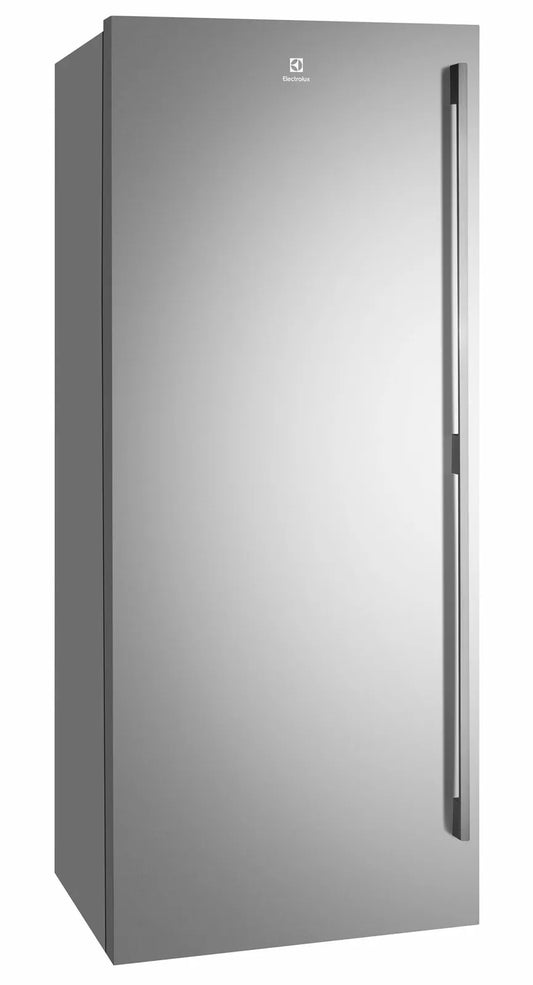
Freezers for Australian Homes
A dedicated freezer gives you the storage capacity to buy meat and produce in bulk, batch cook and freeze meals, manage seasonal garden harvests, and reduce food waste. Whether you need a chest freezer for the garage or an upright freezer for the kitchen, Everyday Home Living stocks a range of models from trusted brands with fast delivery across Australia.
Types of Freezers
Chest Freezers
Chest freezers offer the best energy efficiency and the highest usable storage volume of any freezer type. The top-opening lid design means cold air stays inside when you open it, as cold air sinks and does not spill out the way it does with a front-opening door. This makes them inherently more efficient to operate. Chest freezers are the preferred choice for garages, storage rooms, and any household that buys in bulk, stores large quantities of meat or fish, or processes home-grown produce. The main trade-off is organisation and access: items stored at the bottom can be harder to reach and tend to get buried under newer additions. Using labelled baskets or dividers helps significantly.
Vertical Freezers
Vertical freezers (also called upright freezers) have a front-opening door and internal shelving, drawers, or door bins that make organising and accessing contents much easier. They have a smaller floor footprint than a chest freezer of the same capacity, making them more practical for kitchens, laundries, and spaces where floor space is limited. Frost-free models maintain consistent internal temperature and eliminate the need for manual defrosting. Upright freezers are the more convenient choice for everyday household use where quick access to specific items matters.
Bar Freezers
Bar freezers are compact under-counter units ideal for small homes, apartments, or as a secondary freezer in an entertainment area or garage. They store a modest quantity of frozen goods without the footprint of a full-size freezer.
Key Features to Look For
Capacity
Freezer capacity is measured in litres. For a secondary freezer used for bulk storage in a garage, 200 to 400 litres is the practical range for most Australian households. For a standalone freezer in the kitchen used as the primary frozen food storage, 100 to 200 litres is typically sufficient for a family. Consider how you use your freezer: bulk meat buyers and households that batch cook will benefit from larger capacity, while households that freeze only occasional leftovers and ice blocks need far less.
Energy Efficiency
Freezers run continuously, so energy efficiency matters. The Australian Energy Rating label provides a star rating and annual energy consumption estimate for direct comparison. Chest freezers are generally more energy-efficient than upright models of the same capacity. Frost-free upright models use more energy than manually defrosted models but save the time and effort of periodic defrosting.
Frost-Free vs Manual Defrost
Frost-free freezers use a heating cycle to prevent ice build-up on the internal surfaces and maintain consistent temperature throughout the cabinet. They are more convenient and typically offer better long-term food quality as temperature stays stable. Manual defrost models do not have the heating cycle, which means they use less energy but require you to defrost the unit periodically (typically every 6 to 12 months) when ice build-up reduces usable space and efficiency. Most chest freezers are manual defrost; most upright models offer a frost-free option.
Temperature Range and Climate Rating
Freezers should be set to minus 18 degrees Celsius for safe long-term food storage, which is the Australian and international standard. For freezers installed in garages or outdoor areas in warmer Australian states, check the climate class rating of the model. Standard models are rated for operation in ambient temperatures of 10 to 32 degrees Celsius. In Queensland, Western Australia, and Northern Territory where garage temperatures can exceed 35 to 40 degrees Celsius in summer, look for models with a higher climate class rating (T or ST) that can maintain safe internal temperatures in high ambient heat.
Freezer Storage Tips for Australian Households
Label and date everything before it goes in the freezer. Most foods store safely for 3 to 6 months, with meat and fish typically good for up to 12 months at minus 18 degrees Celsius. Avoid overfilling the freezer as this restricts airflow and can cause temperature variation. In chest freezers, use labelled bins or baskets to organise items by type and keep older stock accessible at the top. Pair your freezer with a fridge from our full refrigeration range for a complete kitchen setup.
Frequently Asked Questions
Chest freezer or upright freezer: which is better for Australia?
Chest freezers are more energy-efficient and offer more usable volume per dollar, making them the better choice for bulk storage in a garage or storage room. Upright freezers are easier to organise, access, and fit into a kitchen or laundry with limited floor space. If energy efficiency and maximum storage are the priority, choose a chest freezer. If convenience and organisation matter more, an upright freezer is the better option. For households in warmer climate zones, also check the climate rating of any model intended for garage installation.
What temperature should a freezer be set to?
The recommended freezer temperature for safe long-term food storage is minus 18 degrees Celsius. This is the Australian standard and the point at which bacterial growth effectively stops. Setting the freezer colder than minus 18 degrees uses more energy without meaningful additional food safety benefit. Check your freezer temperature with a thermometer periodically, particularly in summer in warmer states, to confirm it is maintaining the target temperature in high ambient conditions.
Can I use a freezer in a hot Australian garage?
Yes, but you need to check the climate class rating of the model. Standard freezers are rated for ambient temperatures of 10 to 32 degrees Celsius. In Queensland, Western Australia, and other warmer states, garage temperatures can exceed this in summer. A freezer operating outside its rated ambient temperature range will struggle to maintain minus 18 degrees Celsius internally, which can compromise food safety and shorten the appliance's life. Look for models rated for tropical conditions (climate class T or ST) for garage installation in warm Australian climates.
How long does food last in a freezer?
At minus 18 degrees Celsius, most foods remain safe to eat indefinitely from a food safety perspective, but quality deteriorates over time. As a practical guide: raw beef, lamb, and pork suit 4 to 12 months, raw chicken and fish suit 3 to 6 months, cooked meals suit 2 to 3 months, bread and baked goods suit 1 to 3 months, and fruit and vegetables suit 8 to 12 months. Always label and date items before freezing and use older stock first.
Do freezers come with an Australian warranty?
Yes. All freezers at Everyday Home Living include the manufacturer's Australian warranty, typically 2 years parts and labour with many brands offering extended compressor warranties. You are also protected under the Australian Consumer Law, which provides statutory guarantees on product quality and fitness for purpose in addition to any manufacturer warranty. Contact our team if you need help with a warranty claim or product advice.