Air Purifiers for Australian Homes
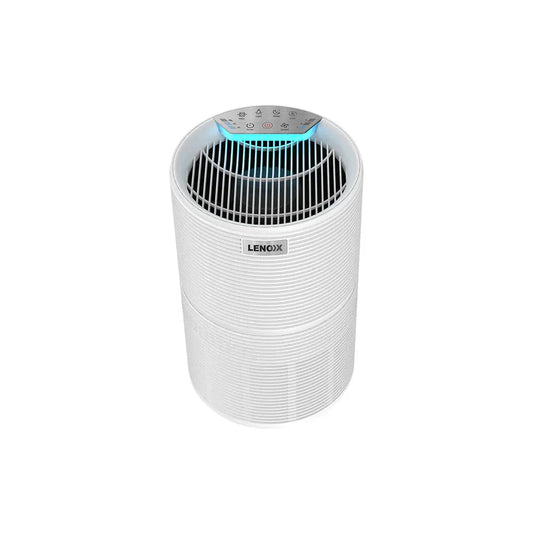
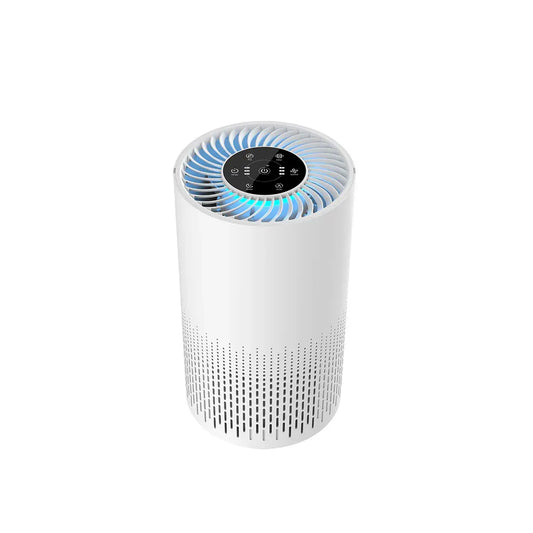
Air purifiers filter airborne particles including dust, pollen, pet dander, mould spores, and fine particulate matter from indoor air. In Australian cities where bushfire smoke, high pollen seasons, and urban air pollution are a reality across different months and regions, an air purifier in frequently occupied rooms adds a meaningful layer of indoor air quality protection. Everyday Home Living stocks Lenoxx air purifiers suited to small and medium rooms with fast delivery across Australia.
How HEPA Air Purifiers Work
The air purifiers in this range use a HEPA (High Efficiency Particulate Air) filter, which captures airborne particles as small as 0.3 microns at an efficiency of 99.97 percent. This covers the particle size range that includes most allergens, dust mite debris, pet dander, pollen, and fine smoke particles. Air is drawn through the filter by a fan, with clean air returned to the room. Running the purifier continuously in sleep mode maintains consistent air quality without fan noise disrupting sleep.
Choosing the Right Room Size
Air purifier effectiveness is closely linked to matching the unit's rated coverage area to the room it is used in. The available models cover rooms from 12 to 24 square metres. For a standard Australian bedroom of 12 to 15 square metres, the smaller model is the practical choice. For a larger master bedroom, open study, or small living area, the mid-range or larger model provides adequate air circulation. Using a unit rated for a smaller room than the actual space significantly reduces its effectiveness.
Maintenance and Filter Replacement
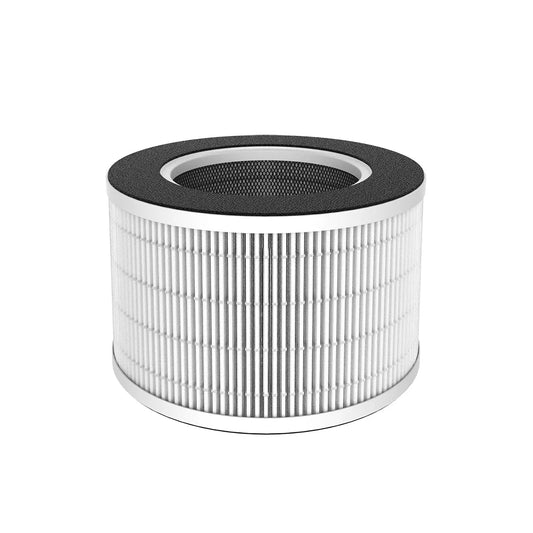
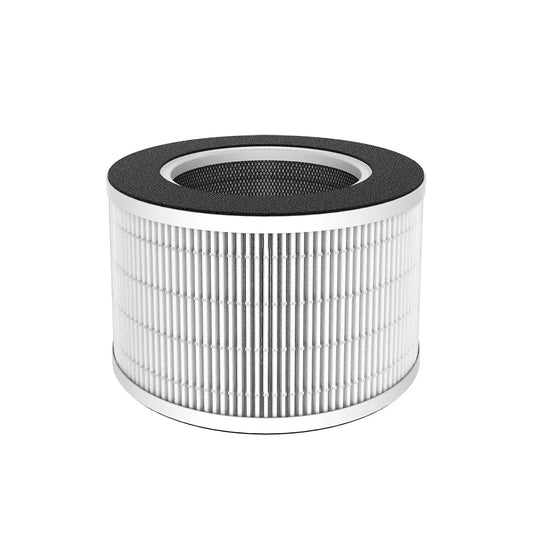
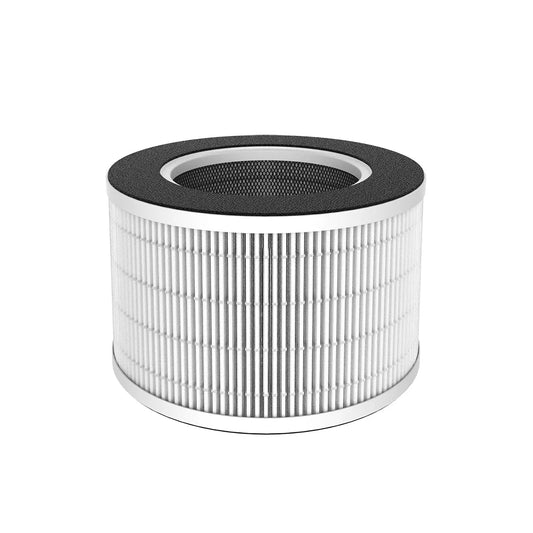
HEPA filters require periodic replacement to maintain filtration efficiency. A clogged or saturated filter recirculates particles rather than capturing them. Replacement HEPA filters matched to each model are available separately to keep the purifier performing to its rated specification. Most manufacturers recommend filter replacement every 6 to 12 months depending on usage and the level of airborne pollutants in your environment.
Frequently Asked Questions
Do air purifiers help with bushfire smoke in Australia?
Yes. HEPA air purifiers capture fine particulate matter (PM2.5 and smaller) which is the primary health concern in bushfire smoke. During and after smoke events, keeping windows and doors closed and running an air purifier in the rooms you occupy most reduces your exposure to harmful fine particles. The purifier works most effectively in an enclosed room rather than an open-plan space where outdoor air continuously enters. Replace the filter sooner than usual after heavy smoke exposure as the filter will saturate faster than during normal use.
Are air purifiers effective for pet allergies?
Yes. HEPA filters capture pet dander, which is the primary allergen from cats and dogs rather than the fur itself. Running an air purifier in rooms where pets spend time, and particularly in bedrooms, reduces the concentration of dander in the air and on surfaces. Combined with regular vacuuming using a HEPA-filtered vacuum cleaner, an air purifier can meaningfully reduce allergy symptoms for pet owners and household members with pet sensitivities.