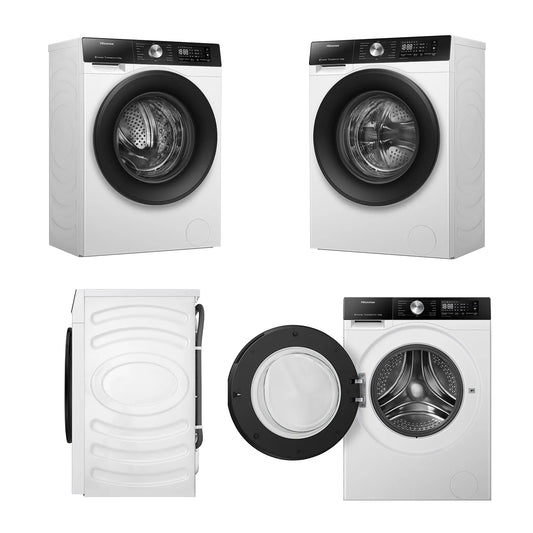
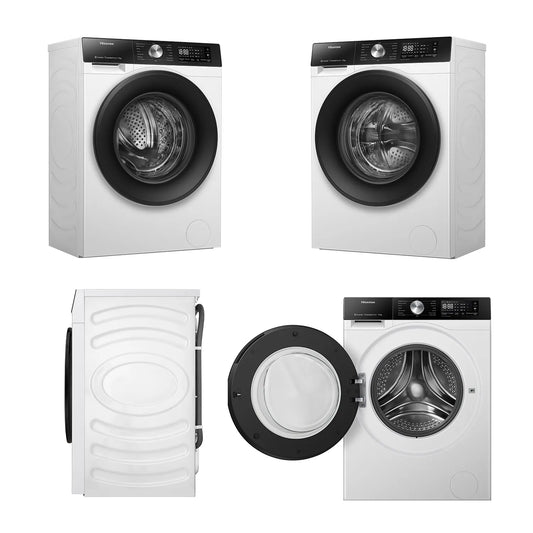
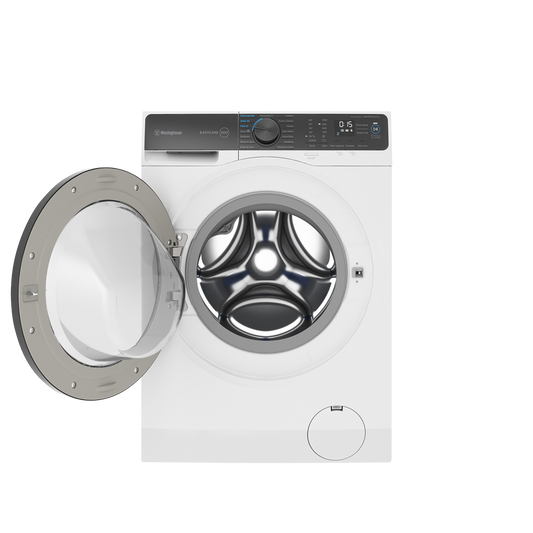
Front Loader Washing Machines for Australian Homes
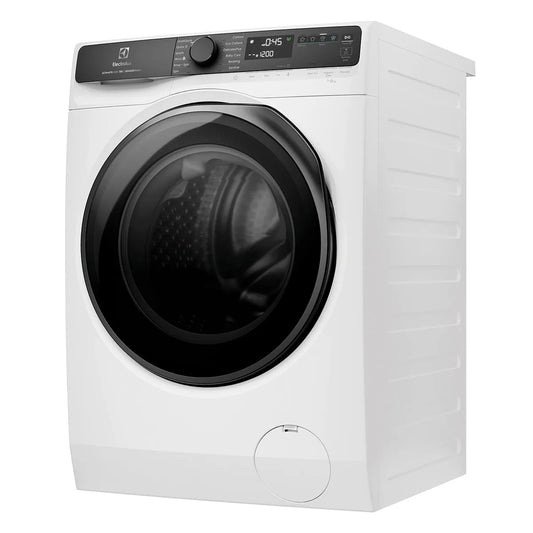
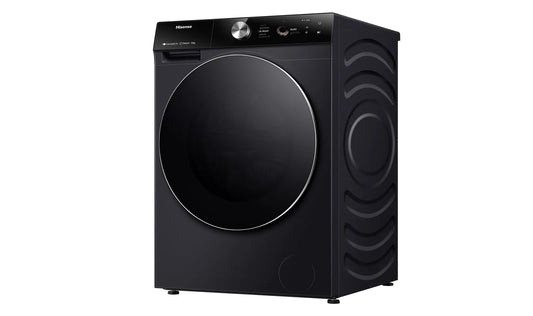
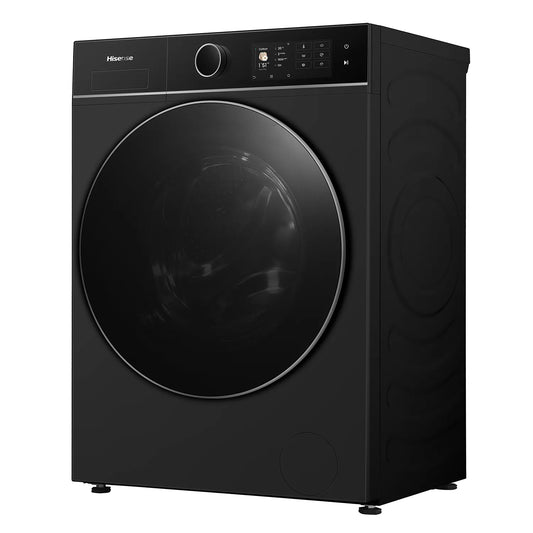
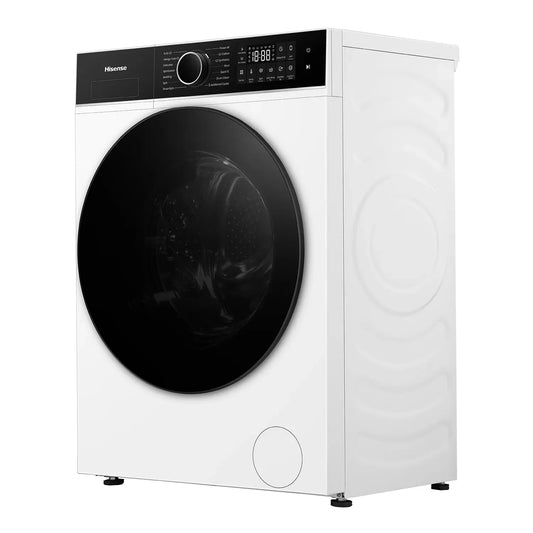
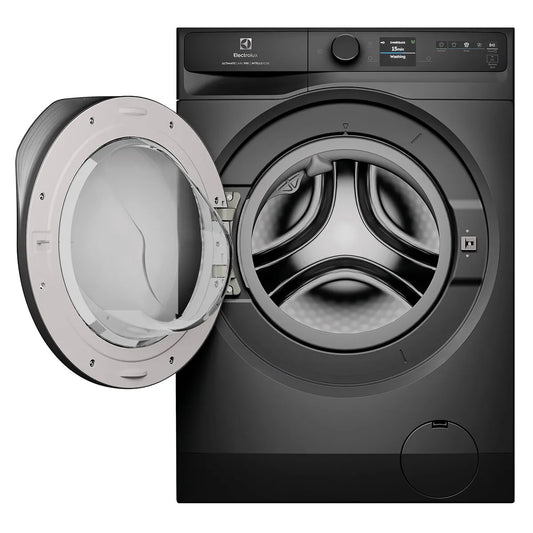
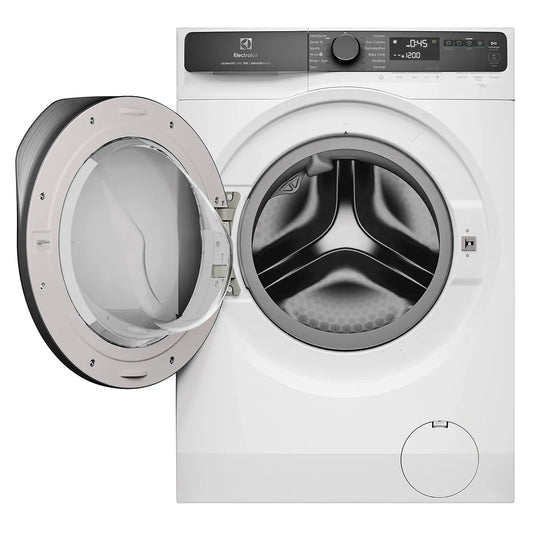
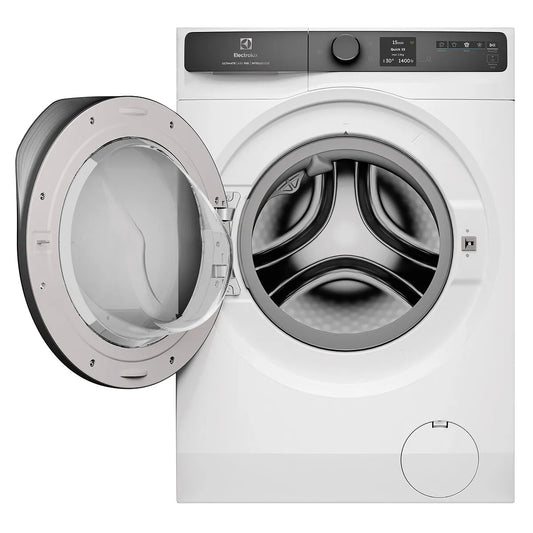
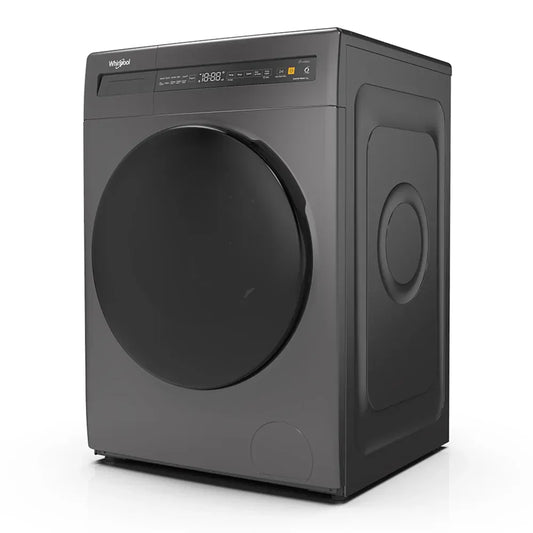
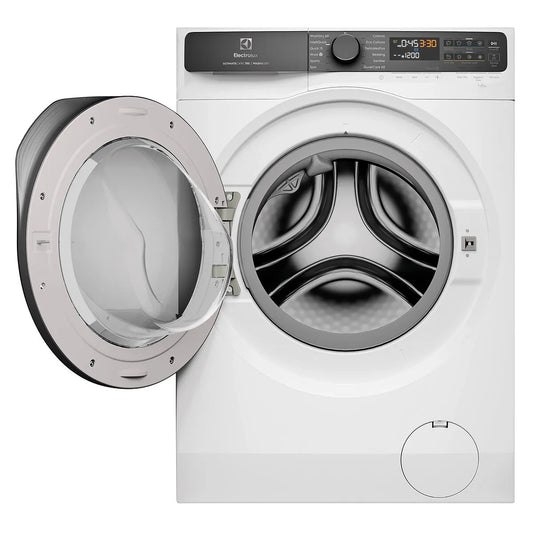
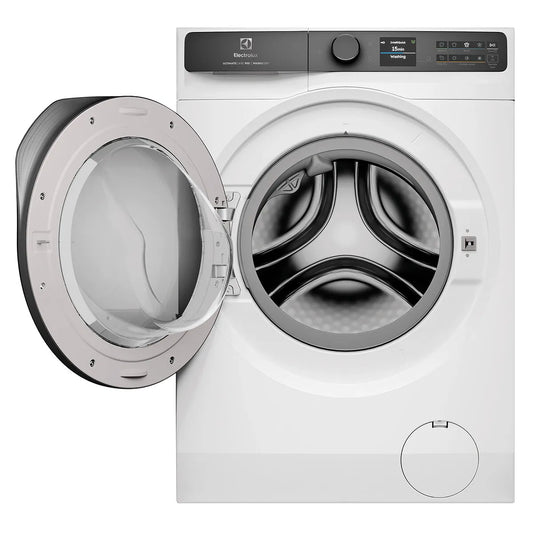
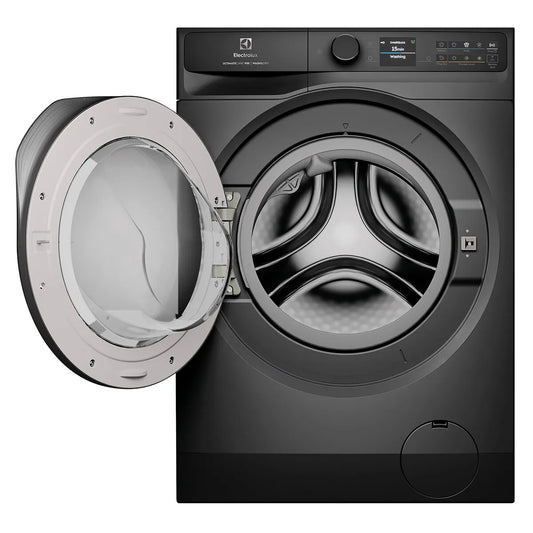
Front loader washing machines are the dominant choice in Australian homes, and for good reason. They use significantly less water and energy than top loaders, wash more gently, and deliver consistently better results across a wide range of fabric types. At Everyday Home Living, we stock a wide range of front loaders from trusted brands in capacities to suit every household, with fast delivery across Australia.
Why Front Loaders Are the Preferred Choice in Australia
Front loaders tumble clothes through a small volume of water at the bottom of the drum, lifting and dropping garments repeatedly through the wash cycle. This is more effective at removing dirt and stains than the agitator action of older top loader designs, while being gentler on fabrics. Because the drum does not need to submerge the load, front loaders use 40 to 60 percent less water per cycle than top loaders. This is a meaningful saving in Australian states where water costs are high, particularly South Australia, Western Australia, and parts of regional Queensland.
Key Advantages
Energy Efficiency
Less water used means less water to heat, which directly reduces energy consumption per cycle. Front loaders consistently achieve higher WELS water star ratings and Australian Energy Rating star ratings than comparable top loaders. Over the life of the appliance, a more efficient machine delivers real savings on utility bills.
Stackable with a Dryer
Front loaders have a flat top surface that allows a compatible dryer to be mounted on top using a manufacturer-approved stacking kit. This halves the floor footprint of your laundry setup, which is a significant advantage in apartments, compact laundries, and homes where space is limited. Top loaders cannot be stacked.
Higher Spin Speeds
Front loaders typically spin at 1,200 to 1,600 RPM, extracting more water from clothes before they go on the line or in the dryer. More water out of the drum means faster line drying in Australian conditions, and reduced dryer run time and energy use for households that machine dry.
Fabric Care
The tumble action is gentler on fabrics than an agitator, which is particularly important for delicate items, wool, and activewear. Many front loaders include dedicated wool, delicates, and steam programmes that extend the life of clothing significantly over years of washing.
Key Features to Look For
Capacity
As a practical guide: 6 to 7 kg suits one to two people, 8 to 9 kg suits a family of three to four, and 10 kg and above suits larger households or those who regularly wash bulky items like duvets, heavy towels, and work gear. Modern front loaders with load sensing automatically adjust water use for smaller loads, so buying slightly above your current need is worthwhile.
Wash Programmes
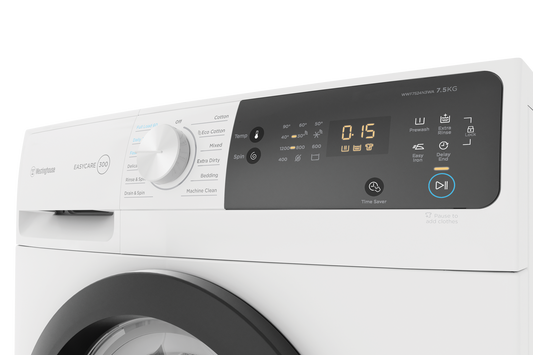
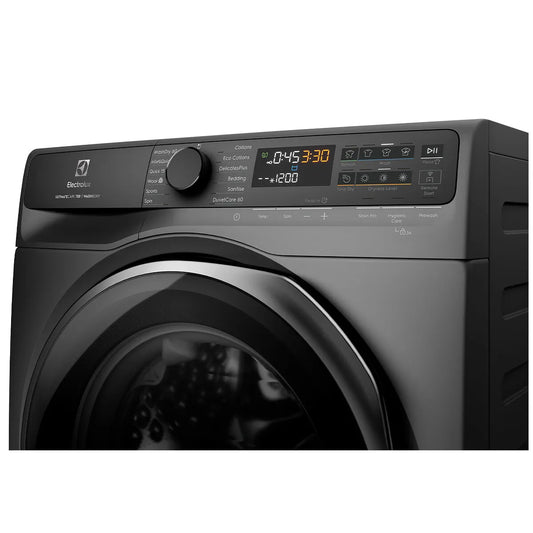
Look for cotton, synthetics, delicates, wool, quick wash, and a hygiene or hot wash programme at 60 to 90 degrees Celsius for towels and bedding. A steam function refreshes garments and reduces creases. An allergen or sanitise programme is worth prioritising for households with dust mite allergies or young children.
Spin Speed
Higher spin speeds extract more water. For households that line dry, 1,400 RPM and above noticeably reduces drying time. For households using a heat pump dryer, a higher spin speed reduces dryer run time and energy consumption per cycle.
Noise and Vibration
For laundries adjacent to bedrooms or open-plan living areas, look for wash cycle noise ratings below 55 dB and spin ratings below 75 dB. Anti-vibration panels and drum balance technology reduce noise and vibration transmission through floors, which is particularly relevant in apartments and homes with timber flooring.
Related Collections
Browse our full washing machines range, compare with top loader washing machines, and explore our dryers and laundry accessories including stacking kits.
Frequently Asked Questions
Are front loaders better than top loaders for Australian households?
For most households, yes. Front loaders use substantially less water and energy, wash more gently, and can be stacked with a dryer to save floor space. The main trade-offs are longer cycle times and the need to bend down to load and unload. If ease of loading or shorter cycle times are the priority, a top loader may better suit your needs. For households focused on efficiency and wash quality, a front loader is the stronger long-term choice.
Can I add clothes after a front loader has started?
On most standard front loaders, no. Once the drum fills with water the door locks for safety. Many newer models include an add-laundry or pause function that allows you to open the door in the early stages of the cycle to add forgotten items. Check your model's features if adding items mid-cycle is important to your laundry routine.
How long does a front loader cycle take?
Standard cotton and synthetics cycles typically take 60 to 120 minutes. Eco programmes may take up to 3 hours but use significantly less energy. Quick wash programmes complete in 15 to 30 minutes for lightly soiled small loads. The longer cycle times are offset by better wash results and lower water and energy consumption per cycle.