Fridges and Freezers for Australian Homes
Choosing the right fridge or freezer is one of the most important appliance decisions you will make. It runs 24 hours a day, every day, so getting the right size, configuration, and energy efficiency for your household matters. At Everyday Home Living, we stock a wide range of refrigeration from trusted brands including Electrolux, Hisense, Whirlpool, and Beko, with fast delivery across Australia.
Types of Fridges
Browse our full fridges range or shop by configuration below.
French Door Fridges
French door fridges are the most popular premium configuration in Australian homes. They feature two side-by-side doors on the fridge section above and a pull-out freezer drawer below. This layout puts the most-used fridge compartment at eye level and provides wide shelf space ideal for large platters, pizza boxes, and entertaining. They suit open-plan kitchens where visual impact matters.
Bottom Mount Fridges
Bottom mount fridges place the freezer at the bottom and the fridge at the top, keeping everyday items at a comfortable height without bending. They are a practical and popular choice for Australian families and typically offer better energy efficiency than side-by-side and French door configurations.
Side by Side Fridges
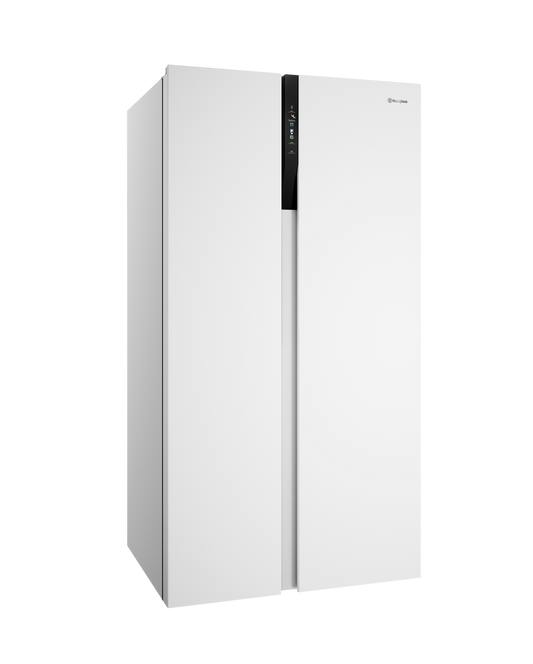
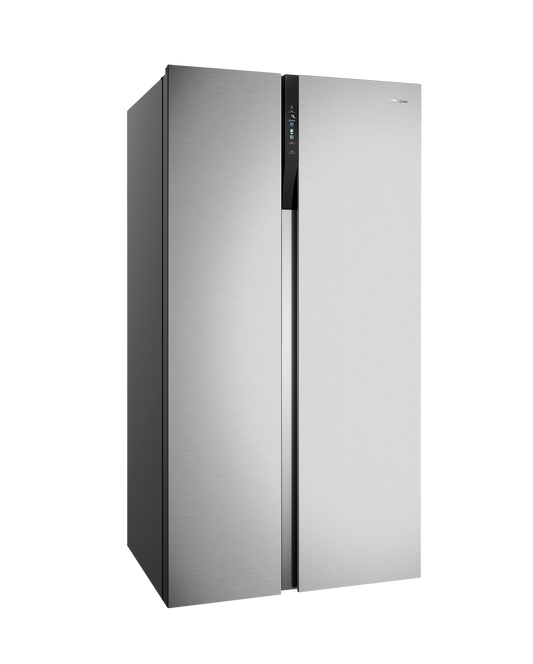
Side by side fridges feature the fridge and freezer in two full-height compartments next to each other. They offer easy access to both sections without bending and suit households that use the freezer as frequently as the fridge. They require more horizontal clearance than other configurations, so measure your kitchen space carefully before purchasing.
Bar Fridges
Bar fridges are compact, standalone fridges ideal for entertaining areas, home bars, bedrooms, offices, and garages. They keep drinks and snacks cold without taking up space in the main kitchen fridge. Most models are under 120 litres and can sit on a bench or under a counter.
Wine Fridges
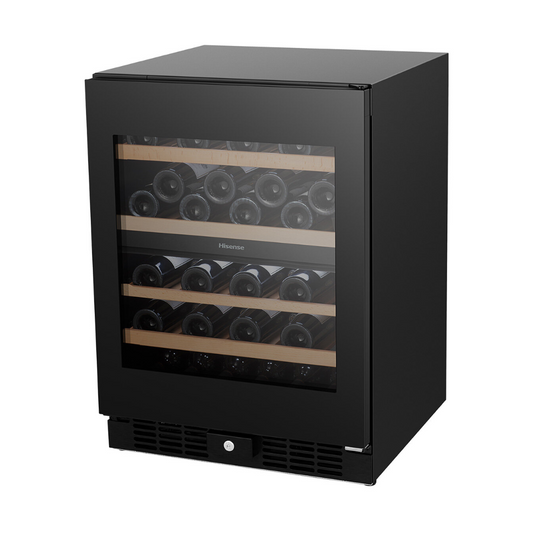
Wine fridges are purpose-built for storing wine at the correct temperature and humidity. Unlike a standard fridge, which operates at around 3 to 4 degrees Celsius, a wine fridge maintains the 12 to 14 degrees Celsius range ideal for both red and white wine storage. They are available in freestanding and undercounter formats and suit anyone building a wine collection at home.
Types of Freezers
Browse our full freezers range or shop by type below.
Chest Freezers
Chest freezers offer the best energy efficiency and largest usable storage volume of any freezer type. The top-opening lid helps retain cold air when opened. They are ideal for garages, storage rooms, and households that buy in bulk or freeze large quantities of meat, fish, or garden produce. The trade-off is accessibility as items at the bottom can be harder to reach.
Vertical Freezers
Vertical freezers (also called upright freezers) have a front-opening door and internal shelving, making it much easier to organise and access contents. They take up a smaller floor footprint than chest freezers of the same capacity and suit laundries, kitchens, and garages where floor space is limited.
How to Choose a Fridge or Freezer
Capacity
A commonly used guide for Australian households is 70 litres per person, plus 70 litres as a base. So a household of four would aim for around 350 litres total fridge and freezer capacity. If you buy in bulk, meal prep regularly, or entertain frequently, add extra capacity. Keep in mind that listed capacity is gross volume; usable space is typically 10 to 15 percent less once shelves and drawers are accounted for.
Energy Efficiency
A fridge runs continuously, so energy efficiency has a meaningful impact on your power bill over time. Look for models with a high star rating on the Australian Energy Rating label. A difference of one star can represent roughly 20 to 25 percent in annual energy savings. In Australian climate zones where ambient temperatures are high (such as Queensland and Western Australia), look for models rated for operation in warmer conditions.
Dimensions and Clearance
Always measure the space before purchasing. Allow at least 50mm of clearance on each side and above the fridge for airflow, as restricted airflow forces the compressor to work harder and increases energy use. French door and side-by-side models require full door-swing clearance in front, so check that adjacent cabinetry or walls do not obstruct the doors.
Features to Consider
Useful features in Australian fridges include adjustable humidity crisper drawers for fruit and vegetables, door-in-door storage for frequently accessed items, water and ice dispensers (note these require a plumbed water connection), and convertible zones that can switch between fridge and freezer temperature as needed. Frost-free technology is worth prioritising as it eliminates the need for manual defrosting.
Frequently Asked Questions
What size fridge do I need for my household?
A practical guide for Australian households is 70 litres per person plus 70 litres as a starting point. One to two people typically suit 200 to 300 litres, a family of three to four suits 350 to 450 litres, and larger households or those who entertain regularly may want 500 litres or more. Also consider how much freezer space you need: if you buy meat in bulk or meal prep heavily, a separate freezer may be worth adding alongside a standard fridge.
Which fridge configuration is best for an Australian family?
For most Australian families, a bottom mount fridge or French door fridge is the best choice. Bottom mount models keep everyday fridge items at eye level and are typically more energy-efficient. French door models offer a wider fridge compartment that suits large platters and entertaining, which is popular in Australian households. Side by side fridges suit households that use the freezer as frequently as the fridge and have the horizontal kitchen space to accommodate them.
What temperature should a fridge be set to in Australia?
Food Standards Australia New Zealand recommends keeping your fridge at or below 5 degrees Celsius to slow bacterial growth and keep food safe. Most fridges in Australian homes are best set between 3 and 4 degrees Celsius. The freezer should be set to minus 18 degrees Celsius, which is the standard for safe long-term frozen food storage. In summer, particularly in warmer states, it is worth checking your fridge temperature as rising ambient temperatures can affect internal performance.
Is a chest freezer or upright freezer better?
Chest freezers are more energy-efficient and offer more usable storage per dollar, making them a great choice for bulk buying and long-term storage in a garage or storage room. Upright freezers are easier to organise and access, take up a smaller floor footprint, and suit kitchens and laundries where a chest freezer would be impractical. If energy efficiency and maximum storage are the priority, choose a chest freezer. If organisation and access matter more, an upright freezer is the better option.
Do fridges and freezers come with an Australian warranty?
Yes. All refrigeration products at Everyday Home Living include the manufacturer's Australian warranty. Most fridge and freezer warranties cover parts and labour for 2 years, with some brands offering extended compressor warranties of up to 10 years. You are also protected under the Australian Consumer Law, which provides statutory guarantees on top of any manufacturer warranty. Contact our team if you need assistance with a warranty claim.