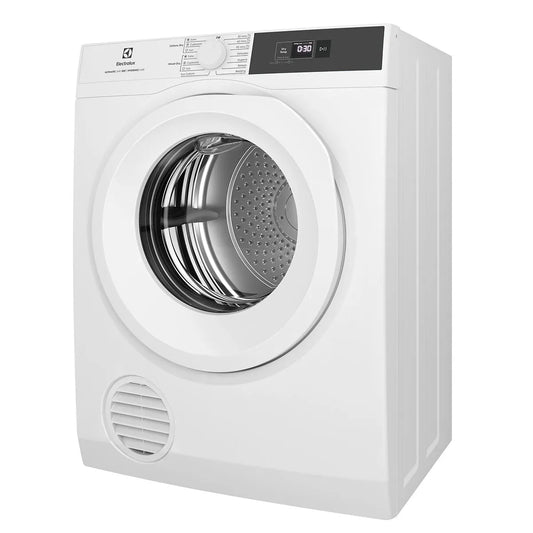
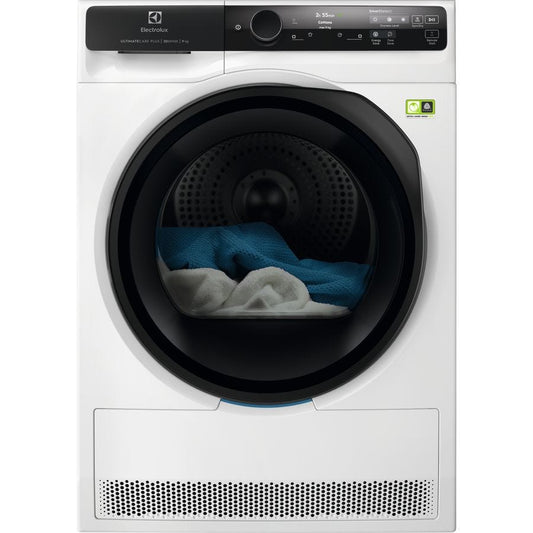
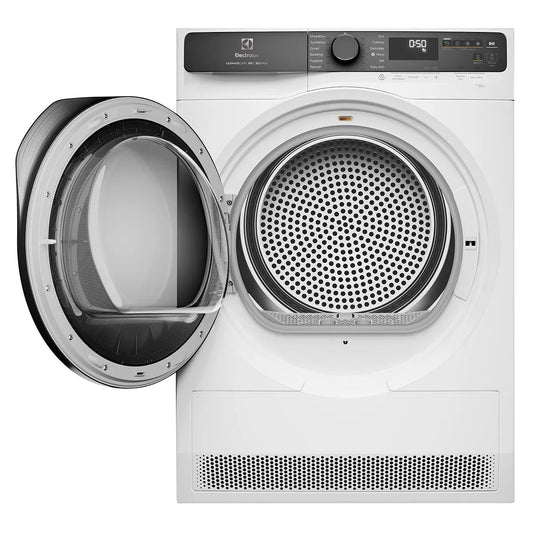
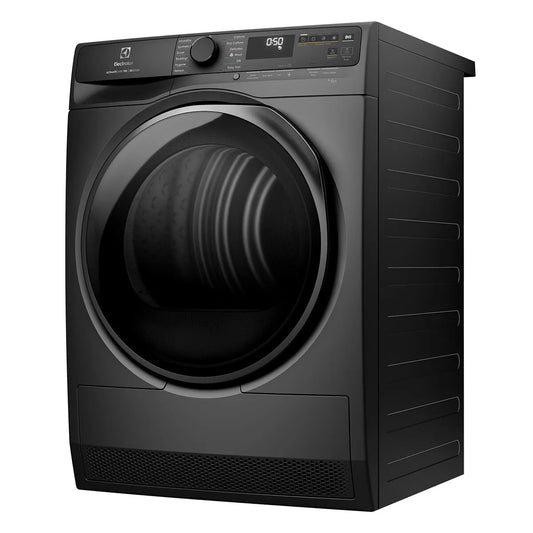
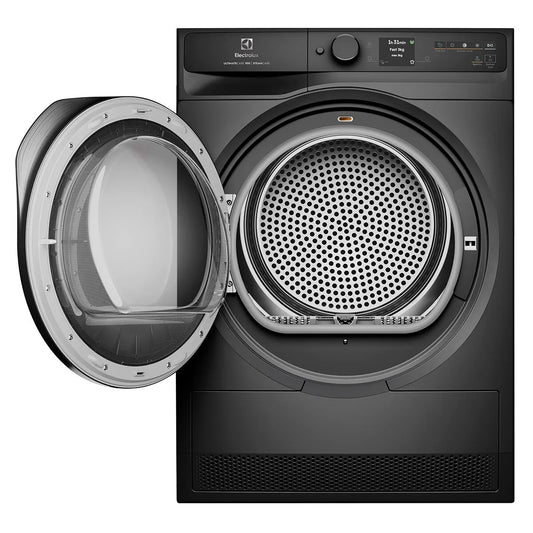
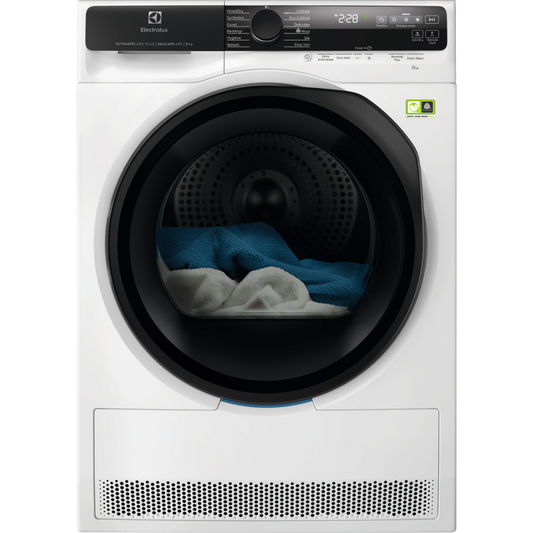
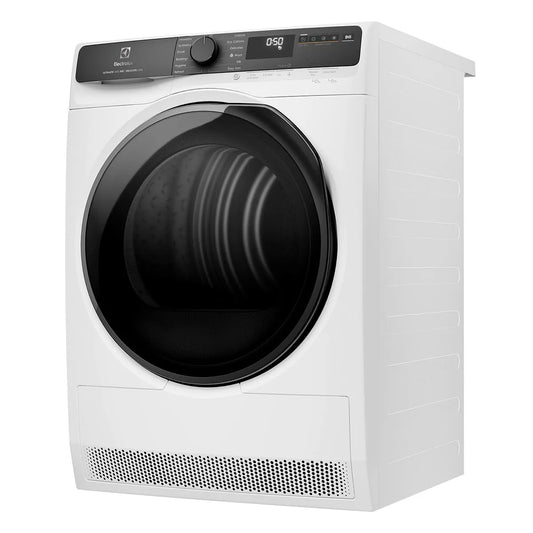
Dryers for Australian Homes
Even in Australia's generally sunny climate, a clothes dryer is a genuinely useful appliance. Whether it is wet weather in winter, a small apartment with no outdoor drying space, or simply the need to get washing done quickly, a dryer makes laundry significantly more manageable. At Everyday Home Living, we stock heat pump dryers, vented dryers, and washer dryer combos from trusted brands, with fast delivery across Australia.
Types of Dryers
Heat Pump Dryers
Heat pump dryers are the most energy-efficient dryer type available. Instead of generating heat from a resistance element and exhausting it, they use a heat pump system to recycle warm air through the drum, using around half the electricity of a vented dryer per cycle. They operate at lower temperatures (typically 40 to 50 degrees Celsius), which is gentler on fabrics and particularly good for delicate items and clothing with care labels that specify low-heat drying. Heat pump dryers do not require external venting, making them suitable for any room including internal laundries and apartments. They condense the moisture extracted from clothes into a water tank that you empty periodically, or can be plumbed to drain directly. Cycle times are longer than vented dryers but the energy savings over the life of the appliance are significant.
Vented Dryers
Vented dryers use a heating element to generate hot air, pass it through the drum to dry clothes, and exhaust the warm, moist air through a vent hose. They are typically more affordable upfront than heat pump models and have faster cycle times. In Australian home installations, vented dryers exhaust into the laundry room rather than through an external duct in most cases, so good laundry ventilation is important. Keep a window or external door open while a vented dryer is running to prevent moisture and condensation build-up in the room. If your laundry is internal with no external airflow, a heat pump dryer is the better option.
Washer Dryer Combos
Washer dryer combos wash and dry in a single machine, making them ideal for apartments, compact homes, or any space where two separate laundry appliances are not practical. They eliminate the need to transfer clothes between machines. Note that the drying capacity is typically smaller than the wash capacity, so larger loads may need to be split for the drying cycle.
Key Features to Look For
Capacity
Dryer capacity is measured in kilograms. For one to two people, 6 to 7 kg is generally adequate. For a family of three to four, 8 to 9 kg suits regular laundry including towels and bed linen. For larger households or those who regularly dry bulky items like duvets, 10 kg and above is worth considering. Matching your dryer capacity to your washing machine capacity avoids the need to split loads between wash and dry cycles.
Energy Efficiency
Dryers are among the highest energy-consuming appliances in a home when used regularly. The energy star rating on the Australian Energy Rating label is the clearest comparison tool. Heat pump dryers consistently score significantly higher than vented models. If you dry clothes regularly, investing in a high star-rated heat pump dryer will recover the cost premium in energy savings over time.
Sensor Drying
Sensor drying technology detects the moisture level in clothes and stops the cycle automatically when the load reaches the selected dryness level. This prevents over-drying, which wastes energy, damages fabrics, and increases wear on clothing. Sensor drying is a standard feature on most mid to high-end heat pump and vented dryers and is worth prioritising over simple timed drying programmes.
Programmes
Look for a model with programmes suited to your laundry. Key programmes include cotton, synthetics, delicates, wool, quick dry, and a refresh or air-only cycle. A dedicated bedding or bulky items programme optimises drying for large items like duvets. Some models include a steam function for freshening and de-wrinkling garments without a full wash cycle.
Installation
Heat pump dryers can be placed anywhere with a power point as they do not require venting. They need the condensate water tank emptied after each use, or can be plumbed to drain automatically. Vented dryers need to be positioned near a vent outlet or window where the exhaust hose can reach. For stacked laundry setups, use a manufacturer-approved stacking kit to mount the dryer safely on top of a compatible front loader washing machine.
Frequently Asked Questions
What is the most energy-efficient dryer type in Australia?
Heat pump dryers are the most energy-efficient option by a significant margin. They use approximately half the electricity of a vented dryer per cycle by recycling warm air rather than exhausting it. They cost more upfront but the energy savings are meaningful over the life of the appliance, particularly for households that dry clothes multiple times per week. They are also gentler on fabrics and do not require external venting.
Do vented dryers need to be ducted outside in Australia?
In most Australian residential installations, vented dryers exhaust warm, moist air into the laundry room rather than through an external duct. This means good ventilation in the laundry is essential to prevent moisture build-up, condensation on walls and ceilings, and potential mould growth. Keep a window or door to the outside open while the dryer is running. If your laundry is fully internal with no external airflow, a heat pump dryer is the more suitable choice as it does not produce exhaust air.
Can I stack a dryer on top of my washing machine?
Yes, provided you use a compatible stacking kit for your specific washer and dryer model pair. Stacking is only possible with front loader washing machines. Always use the manufacturer-approved stacking kit for safe installation. Browse our laundry accessories range for compatible stacking kits and laundry pedestals.
How long does a dryer cycle take?
Vented dryers typically complete a standard cotton load in 45 to 75 minutes. Heat pump dryers take longer, typically 90 to 150 minutes for a similar load, due to their lower operating temperature. Many heat pump models include a quick dry programme that reduces cycle time for smaller loads or lightly damp items. Sensor drying on both types will shorten the cycle automatically when clothes reach the target dryness level.
Do dryers come with an Australian warranty?
Yes. All dryers at Everyday Home Living include the manufacturer's Australian warranty, typically 2 years parts and labour. You are also covered by the Australian Consumer Law, which provides statutory guarantees on product quality and fitness for purpose in addition to any manufacturer warranty. Contact our team if you need assistance with a warranty claim or installation question.