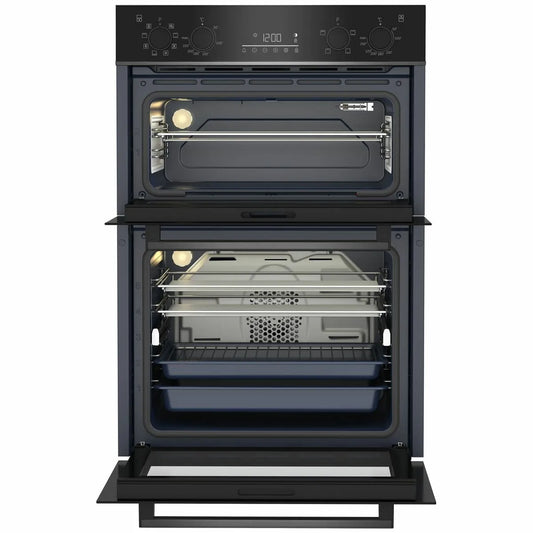
Built-in Ovens for Australian Kitchens
A built-in oven transforms a kitchen. Installed into a wall cavity or cabinet tower at a comfortable working height, they eliminate the need to bend down to a floor-level oven and give your kitchen a clean, integrated finish. At Everyday Home Living, we stock a range of built-in ovens across electric, pyrolytic, steam, and double configurations from trusted brands, with fast delivery across Australia.
Types of Built-in Ovens
Built-in Electric Ovens
Electric built-in ovens are the most common choice in Australian kitchens. They offer consistent, even heat with fan-forced (convection) cooking that circulates hot air around the cavity for more uniform results. Fan-forced cooking also reduces cooking temperatures and times compared to conventional heat, saving energy. Most models include multiple cooking functions including grill, fan grill, and conventional modes to handle a wide range of recipes.
Pyrolytic Ovens
Pyrolytic ovens include a self-cleaning function that heats the oven cavity to around 500 degrees Celsius, incinerating grease, food splatter, and residue. After the cycle completes and the oven cools, a small amount of ash is wiped away with a damp cloth. This eliminates the need for chemical oven cleaners and significant scrubbing effort. Pyrolytic cleaning cycles typically take 1.5 to 3 hours and use a meaningful amount of electricity, so they are best run every few weeks rather than after every cook. Pyrolytic ovens are a popular upgrade choice in Australian kitchens for households that cook regularly.
Steam Ovens
Steam ovens inject steam into the oven cavity during cooking, which helps retain moisture in food and produces healthier, more nutritious results than dry heat alone. They are particularly good for bread, fish, vegetables, and reheating leftovers without drying them out. Combination steam ovens that offer both steam and conventional cooking modes provide the most flexibility and are becoming increasingly popular in premium Australian kitchen renovations.
Built-in Double Ovens
Built-in double ovens provide two independent oven cavities in a single tower unit, allowing you to cook two dishes simultaneously at different temperatures and functions. This is a significant advantage when cooking for large groups or entertaining, where managing a roast and baked goods at the same time in separate cavities is genuinely useful. Double ovens are installed in a 60cm wide tower cabinet and require a taller cabinet height than a single oven.
Key Features to Look For
Cavity Capacity
Built-in oven capacity is measured in litres. A 60cm wide oven typically offers between 60 and 80 litres of usable capacity. For a household that regularly cooks large roasts or entertaining quantities, look for models at the higher end. If you are purchasing a double oven, check the capacity of each individual cavity as they are often different.
Cooking Functions
The more cooking functions an oven offers, the more versatile it is. Core functions to look for include fan-forced (convection), conventional heat, grill, and fan grill. Higher-end models add pizza function, defrost, keep warm, and combination steam modes. Consider which functions you will realistically use rather than simply choosing the model with the most options.
Energy Efficiency
Fan-forced ovens are more energy-efficient than conventional ovens as they cook at lower temperatures and for shorter times. Look for models with good energy star ratings and well-insulated cavity doors that retain heat effectively. Pyrolytic ovens typically have thicker insulation than standard models to handle the high self-cleaning temperatures, which also benefits everyday cooking efficiency.
Installation Requirements
Built-in ovens must be installed by a licensed electrician and require a dedicated circuit in most Australian states. Check the oven's dimensions carefully against your cabinet opening before purchasing, including depth, width, and height. Most built-in ovens require a 60cm wide cabinet opening and specific depth clearance for ventilation. Your cabinetmaker or kitchen designer should be consulted during the planning stage.
Pairing with a Cooktop and Rangehood
A built-in oven is paired with a separate cooktop and rangehood to complete the cooking setup. Browse our cooktops range for induction, gas, and ceramic models, and our rangehoods range for ventilation to match. For a complete kitchen solution, explore our kitchen packages which bundle compatible appliances together.
Frequently Asked Questions
What is the difference between a built-in oven and a freestanding oven?
A built-in oven is installed into a wall cabinet or tower at eye or waist level and does not include a cooktop. It gives your kitchen an integrated, seamless appearance and is the standard choice for new kitchen renovations. A freestanding oven combines the oven and cooktop in a single unit that sits on the floor between your benchtop cabinets. Freestanding ovens are easier and cheaper to install and replace, making them the more practical choice for existing kitchens or rental properties.
Is a pyrolytic oven worth buying?
For households that cook frequently, yes. The pyrolytic self-cleaning function saves significant time and effort compared to manual oven cleaning, and avoids the use of harsh chemical cleaners. The upfront cost premium over a standard built-in oven is typically recovered through convenience over the life of the appliance. Run the pyrolytic cycle every two to four weeks depending on cooking frequency, and during daylight hours if you have solar panels to offset the electricity cost.
What size built-in oven do I need?
Most Australian kitchen cabinets are designed for a standard 60cm wide built-in oven. The usable internal capacity for a 60cm oven ranges from around 60 to 80 litres. For most households, a 70 to 75 litre cavity comfortably handles large roasts, multiple trays of baking, and everyday cooking. If you regularly cook for large numbers or want to run two dishes at different temperatures simultaneously, consider a built-in double oven.
Do built-in ovens need to be installed by an electrician?
Yes. In Australia, built-in electric ovens must be connected to the mains power supply by a licensed electrician. This is a legal requirement under Australian electrical safety standards and applies in all states and territories. Most built-in ovens require a dedicated 15 or 20 amp circuit. Your electrician will advise on the specific requirements for your chosen model and location. Never attempt to connect a built-in oven to mains power yourself.
Do built-in ovens come with an Australian warranty?
Yes. All built-in ovens at Everyday Home Living include the manufacturer's Australian warranty, typically 2 years parts and labour. You are also covered under the Australian Consumer Law, which provides statutory guarantees on product quality and fitness for purpose in addition to the manufacturer warranty. Contact our team if you need help with a warranty claim or installation support.