Fridges for Australian Homes
The fridge is the most used appliance in any Australian home, running 24 hours a day, every day of the year. Getting the right size, configuration, and energy efficiency for your household is one of the most important appliance decisions you will make. At Everyday Home Living, we stock a wide range of fridges across every configuration from trusted brands including Electrolux, Hisense, Whirlpool, and Beko, with fast delivery across Australia.
Types of Fridges
French Door Fridges
French door fridges are the premium choice for Australian families. Two side-by-side doors open the fridge section at eye level, with a pull-out freezer drawer below. The wide fridge section accommodates large platters, pizza boxes, and entertaining-scale items that a standard single-door fridge cannot fit. French door fridges suit open-plan kitchens where the fridge is a visible part of the room, and they are particularly popular in new builds and renovations.
Bottom Mount Fridges
Bottom mount fridges place the freezer at the bottom and the fresh food section at eye level, which is where you reach most often. This layout is ergonomically practical for everyday use and typically delivers better energy efficiency than French door and side-by-side configurations. They are the most popular fridge type overall in Australian homes, offering an excellent balance of practicality, capacity, and value.
Side by Side Fridges
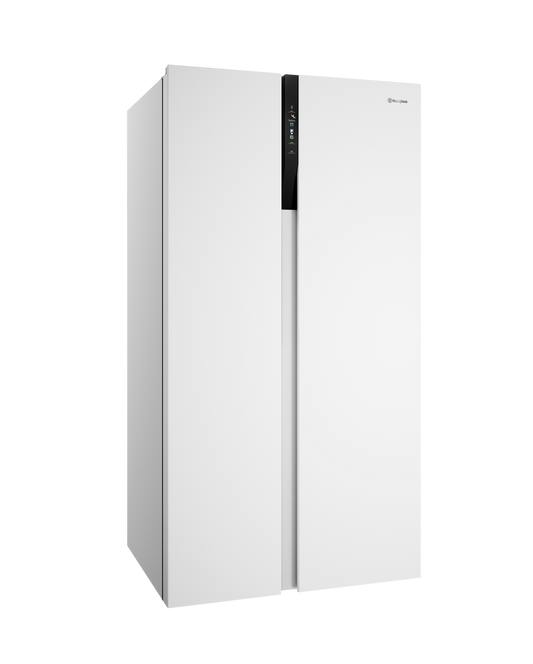
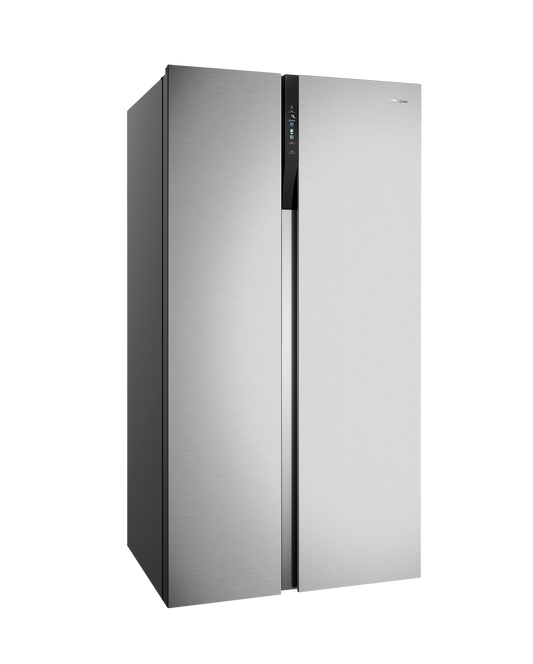
Side by side fridges feature the fridge and freezer in two full-height compartments next to each other. They provide easy access to both sections without bending and suit households that use the freezer as frequently as the fridge. Side by side models require more horizontal space than other configurations, so measure your kitchen carefully before purchasing. Most models are 90cm or wider.
Bar Fridges
Bar fridges are compact, standalone fridges under 120 litres, ideal for entertaining areas, home bars, bedrooms, offices, and garages. They keep drinks and snacks cold without taking up space in the main kitchen fridge and can sit on a bench or under a counter.
Wine Fridges
Wine fridges store wine at the correct temperature and humidity for long-term quality preservation. Unlike a standard fridge that operates at 3 to 4 degrees Celsius, a wine fridge maintains 12 to 14 degrees Celsius, the optimal range for both red and white wine storage. They are available in freestanding and undercounter formats.
How to Choose the Right Fridge
Capacity
A commonly used guide for Australian households is 70 litres per person plus 70 litres as a base. A household of two suits approximately 210 litres, three to four people suit 300 to 400 litres, and five or more people suit 450 litres and above. If you meal prep regularly, buy in bulk, or entertain frequently, add extra capacity. Note that the listed capacity is the gross internal volume. Usable space is typically 10 to 15 percent less once shelves, drawers, and door bins are accounted for.
Energy Efficiency
Because a fridge runs continuously, energy efficiency has a meaningful impact on your electricity bill over time. Compare models using the Australian Energy Rating label. A difference of one star can represent around 20 to 25 percent in annual energy savings. In warmer Australian climate zones (Queensland, Western Australia, and Northern Territory), look for models rated for operation in higher ambient temperatures, typically marked as climate class T or ST.
Dimensions and Clearance
Always measure the available space before purchasing. Allow at least 50mm clearance on each side and above the fridge for airflow. Restricted airflow forces the compressor to work harder, increasing energy use and potentially shortening the appliance's life. For French door and side-by-side models, confirm there is adequate door swing clearance in front without being blocked by adjacent cabinetry or walls.
Features Worth Looking For
Frost-free technology eliminates manual defrosting and maintains consistent internal temperature. Adjustable humidity crisper drawers extend the life of fresh produce. Door-in-door storage provides quick access to frequently used items without opening the main fridge. Convertible zones that switch between fridge and freezer temperature add flexibility for varying storage needs. Water and ice dispensers are a popular feature but require a plumbed water connection.
Temperature Settings for Australian Conditions
Food Standards Australia New Zealand recommends keeping fridges at or below 5 degrees Celsius. Most Australian homes are best served by a fridge set at 3 to 4 degrees Celsius. In summer, particularly in Queensland and other warmer states, check your fridge temperature periodically as high ambient temperatures can affect performance, especially in older or less well-insulated models.
Frequently Asked Questions
What fridge size do I need for my household?
As a guide: one to two people suit 200 to 280 litres, three to four people suit 300 to 420 litres, and five or more people suit 450 litres and above. Also factor in your lifestyle. If you buy fresh produce weekly and cook most meals at home, prioritise fridge compartment volume. If you buy meat and meals in bulk and freeze them, look for a model with a larger freezer section or consider pairing a standard fridge with a separate chest or upright freezer.
What temperature should my fridge be set to?
Food Standards Australia New Zealand recommends 5 degrees Celsius or below for safe food storage. Most Australian households are best served by a setting of 3 to 4 degrees Celsius, which keeps food safely cold without freezing items at the back or bottom of the fridge. In summer, it is worth checking the actual temperature with a fridge thermometer as door seals and compressor performance can be affected by high ambient temperatures in warmer states.
Which fridge configuration is best for an Australian family?
For most Australian families, a bottom mount fridge or French door fridge is the best choice. Bottom mount models offer the best energy efficiency and keep the fresh food section at eye level for easy access. French door models provide a wider fridge compartment that suits large platters and entertaining. Side by side fridges suit households that use the freezer as frequently as the fridge and have the kitchen space to accommodate the wider footprint.
Do I need to leave clearance around my fridge?
Yes. Most manufacturers require at least 25 to 50mm clearance on each side and above the fridge for ventilation. The compressor generates heat that must be able to dissipate from the rear and sides of the unit. Placing a fridge in a tight alcove without adequate clearance causes the compressor to work harder, increasing energy use and reducing the appliance's service life. Check your specific model's installation requirements before positioning it in your kitchen.
Do fridges come with an Australian warranty?
Yes. All fridges at Everyday Home Living include the manufacturer's Australian warranty. Most fridge warranties cover parts and labour for 2 years, with many brands offering extended compressor warranties of up to 10 years. You are also protected under the Australian Consumer Law, which provides statutory guarantees on product quality and fitness for purpose in addition to any manufacturer warranty. Contact our team if you need help with a warranty claim.